← Image collections
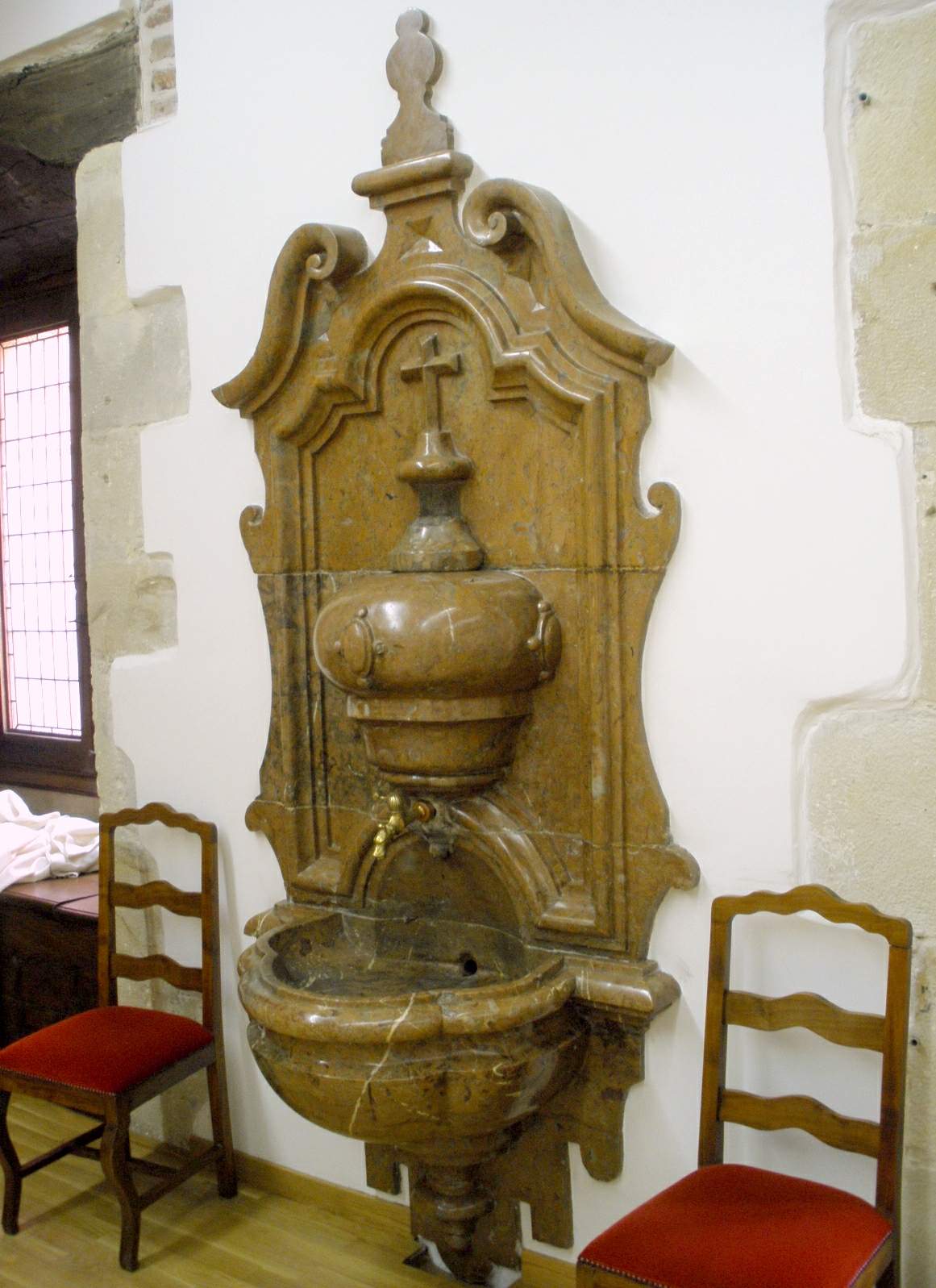
The image shows two chairs sitting next to each other in a room with a wall-mounted drinking fountain in the center. On the left side of the image, there is a table with a cloth draped over it and a window in the background.

More from PD12M

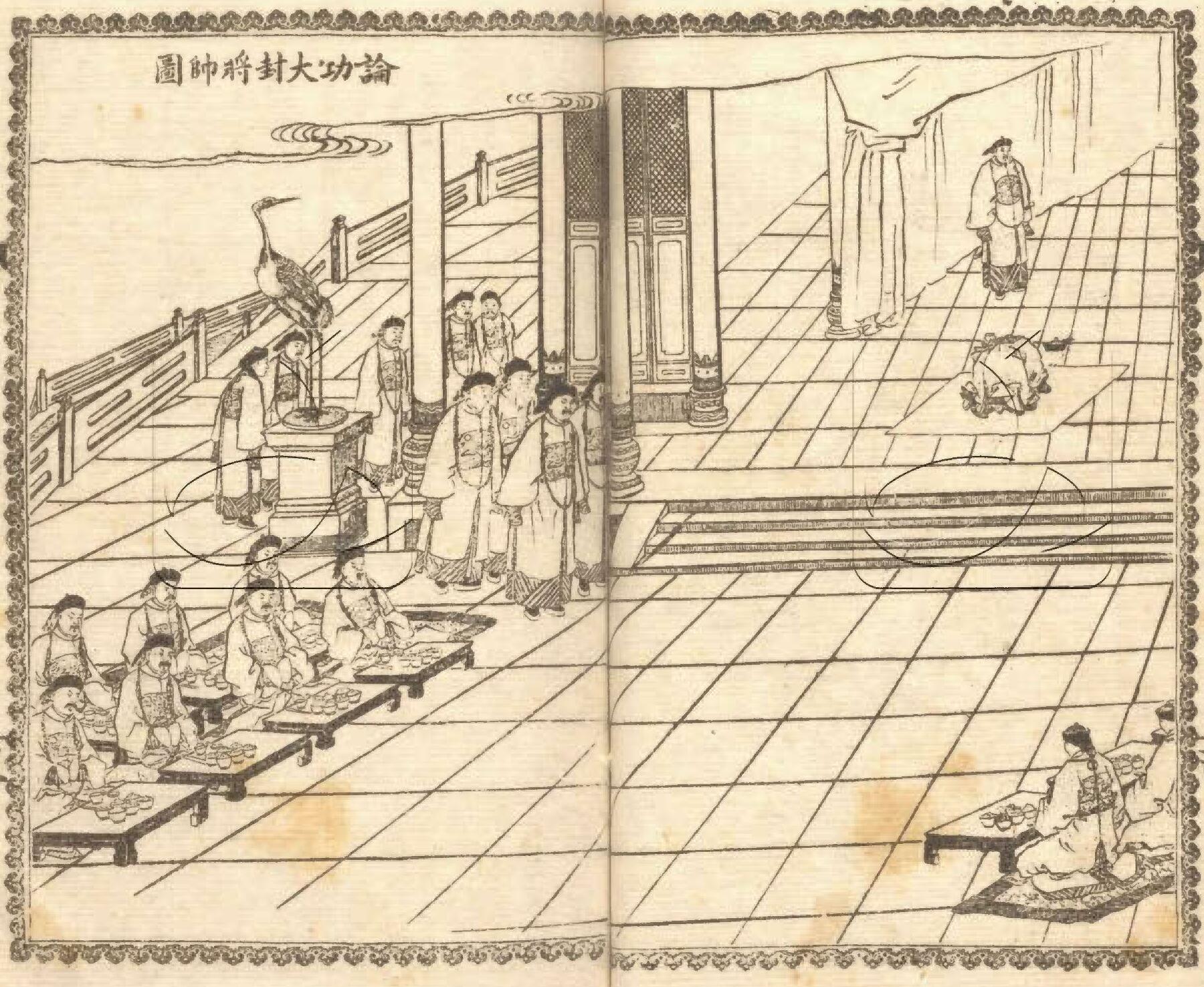
The image shows an open book with a drawing of a group of people in a room. The people are depicted in various poses, some sitting and some standing, and there is writing on the pages of the book.
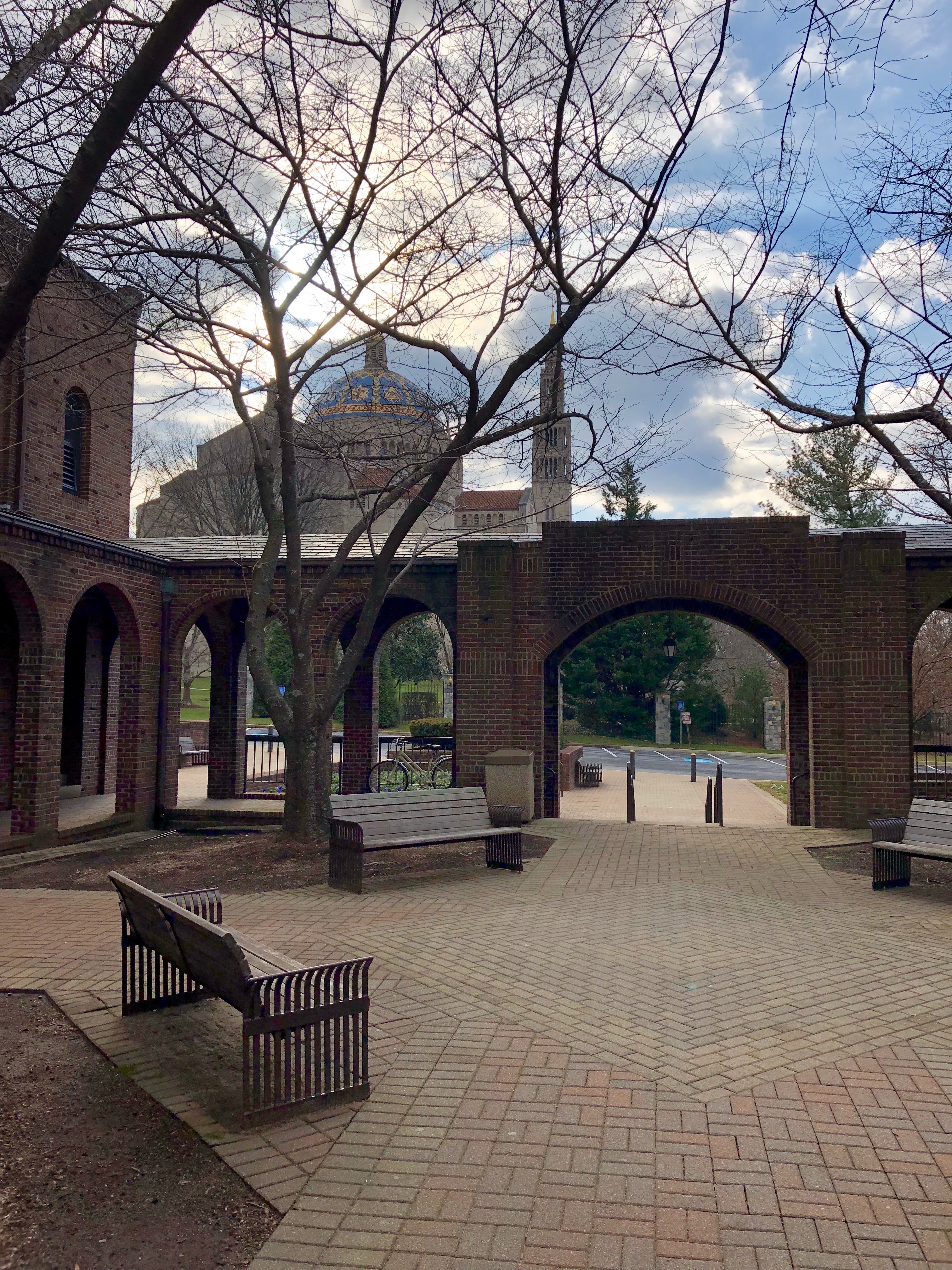
The image shows a brick walkway with benches and trees in front of a building with arches and pillars, surrounded by trees and a sky with clouds in the background.
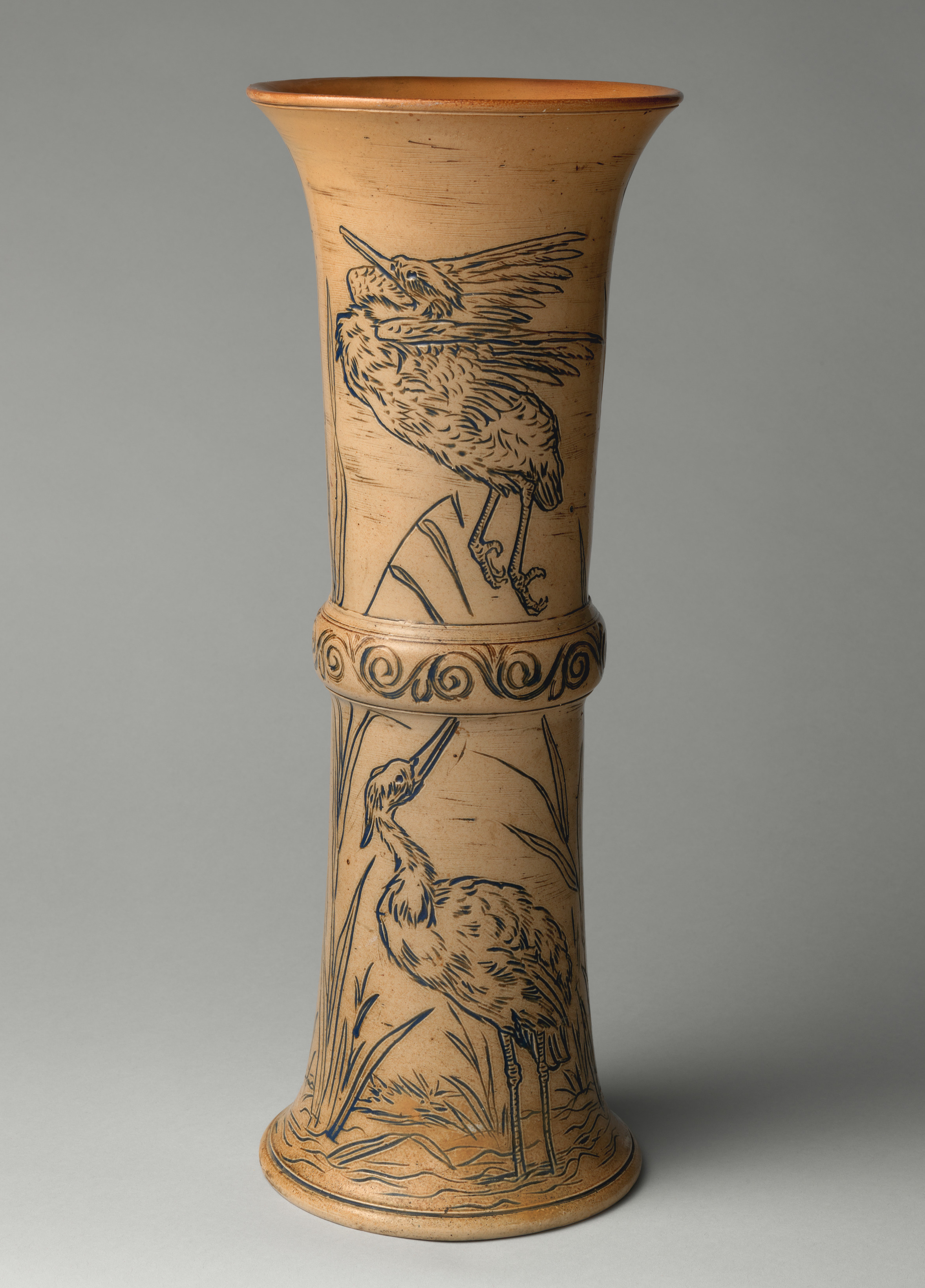
The image shows a brown vase with a bird design on it, sitting atop a table. The vase is decorated with intricate details, such as the bird's wings spread wide and its beak open, as if it is about to take flight. The bird is depicted in a realistic style, with its feathers and eyes clearly visible. The table is a light wood color, and the vase stands out against it, making it the focal point of the image.
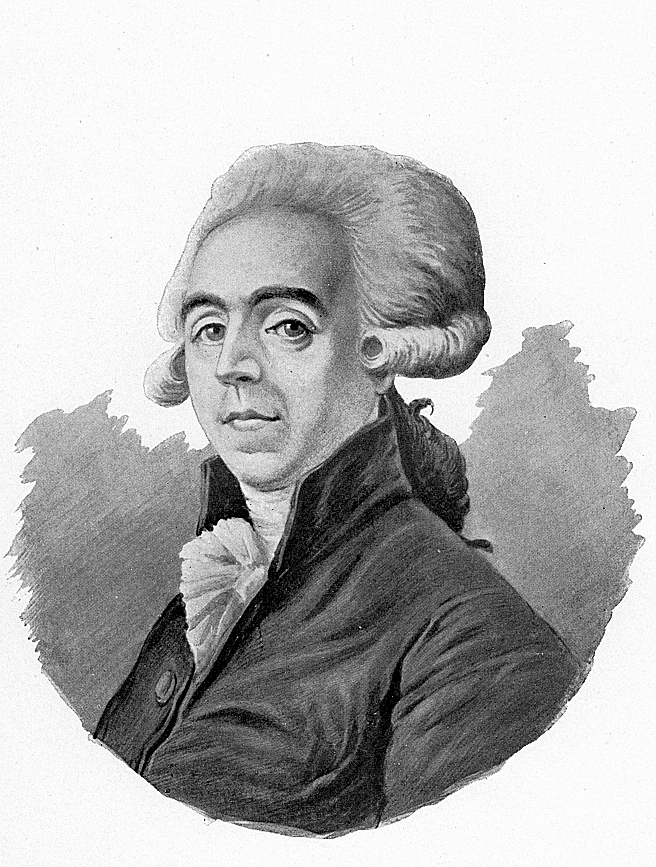
The image shows a black and white drawing of a man in a suit, with a human face visible.
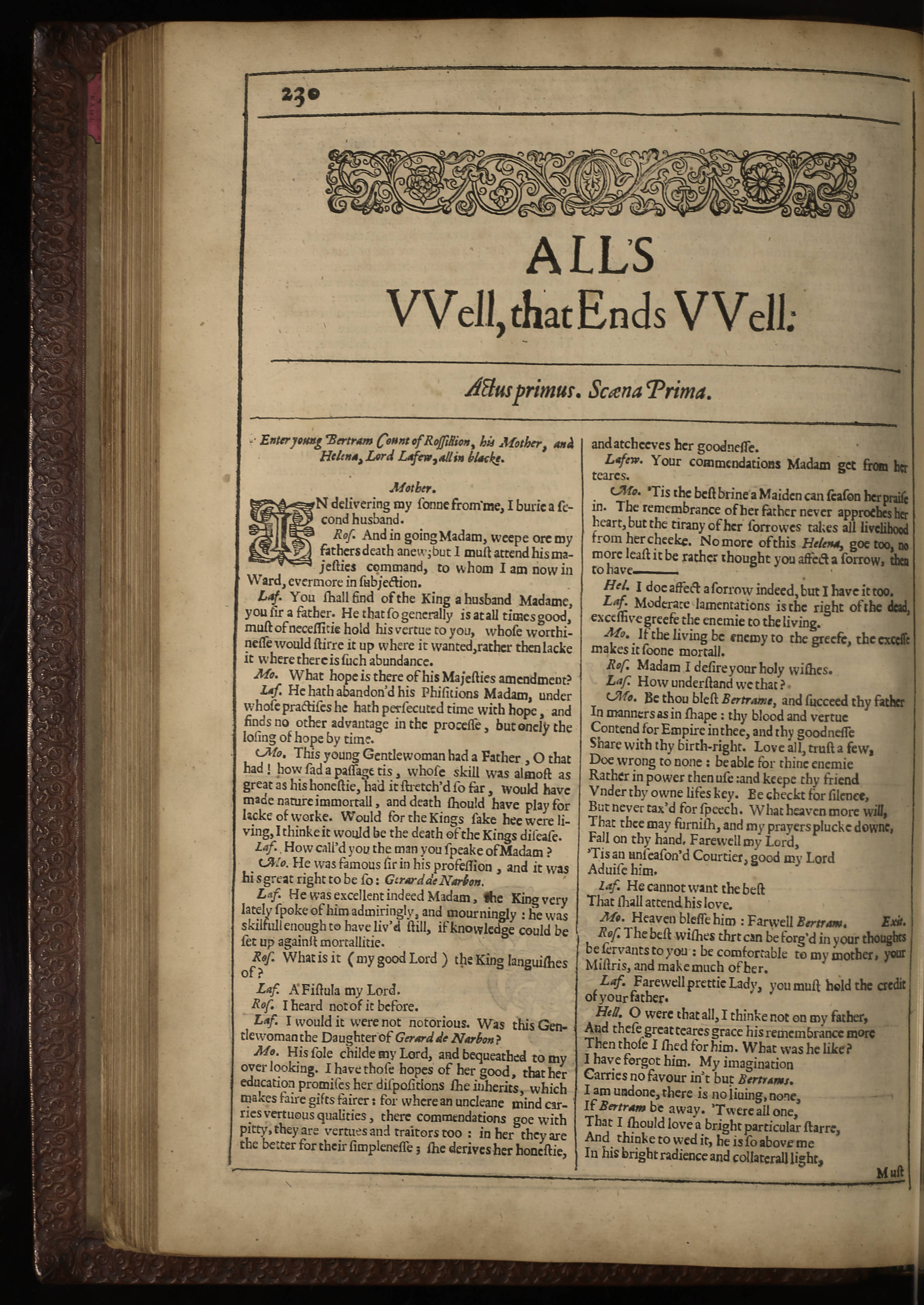
The image shows an open book with the words "all's well, that ends well" written on it against a dark background.
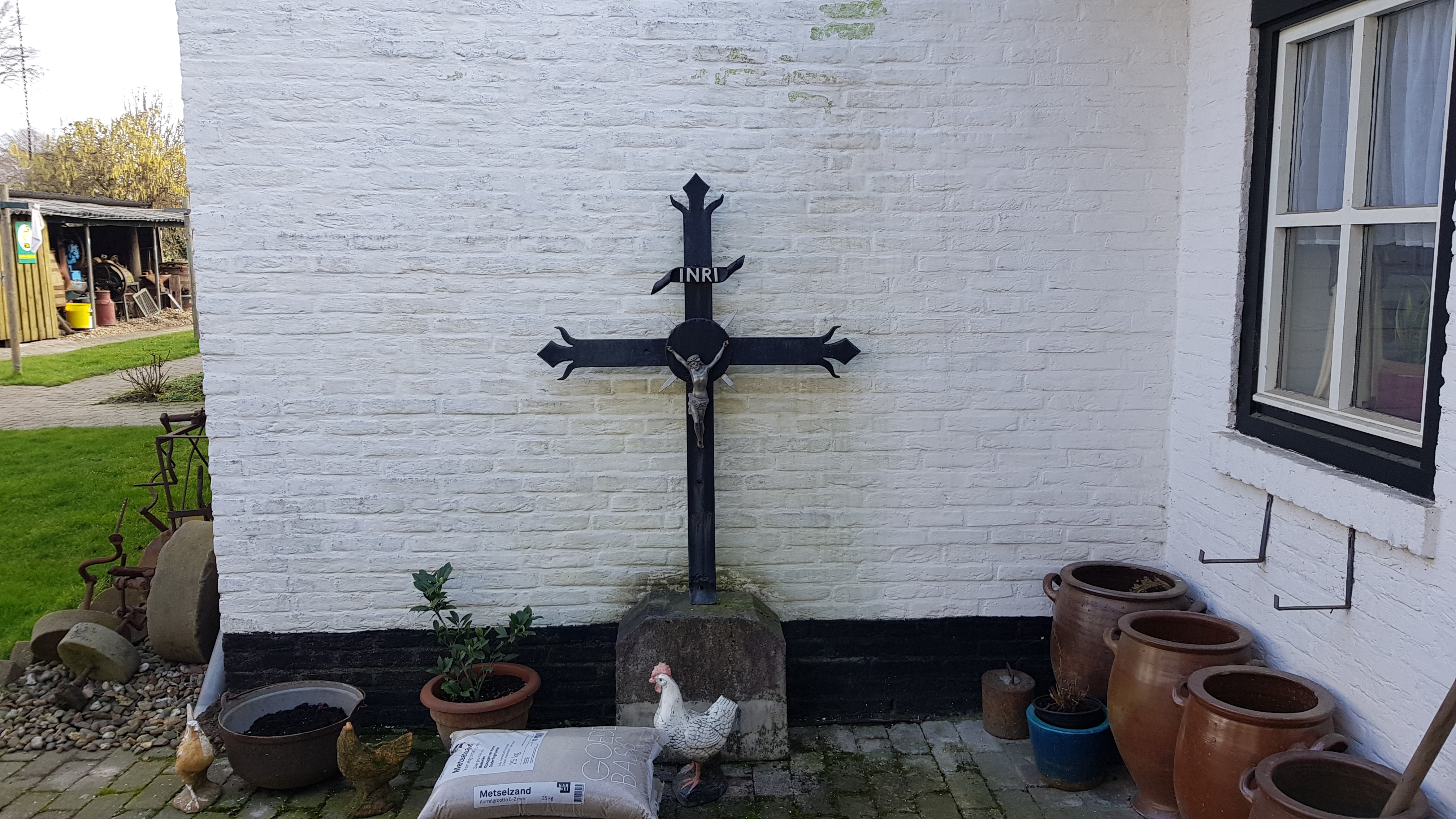
The image shows a white brick building with a cross on the side of it. There is a window on the right side of the building, and a houseplant and flowerpot in the foreground. In the background, there are trees, sheds, and other objects, and the sky is visible at the top of the image.
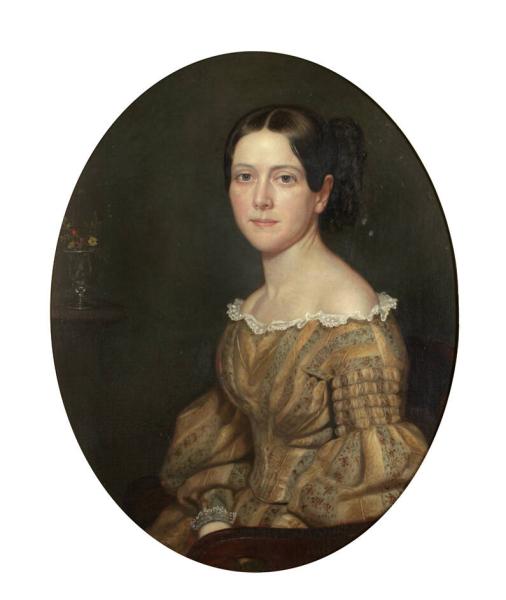
The image shows a portrait of a woman in a brown dress, painted by Sir John Everett Millais. She is seated in a chair, her hands resting on the armrests of the chair, and her gaze is directed towards the viewer. Her hair is pulled back in a neat bun, and she has a gentle expression on her face. The painting is done in a realistic style, with vibrant colors and intricate details.
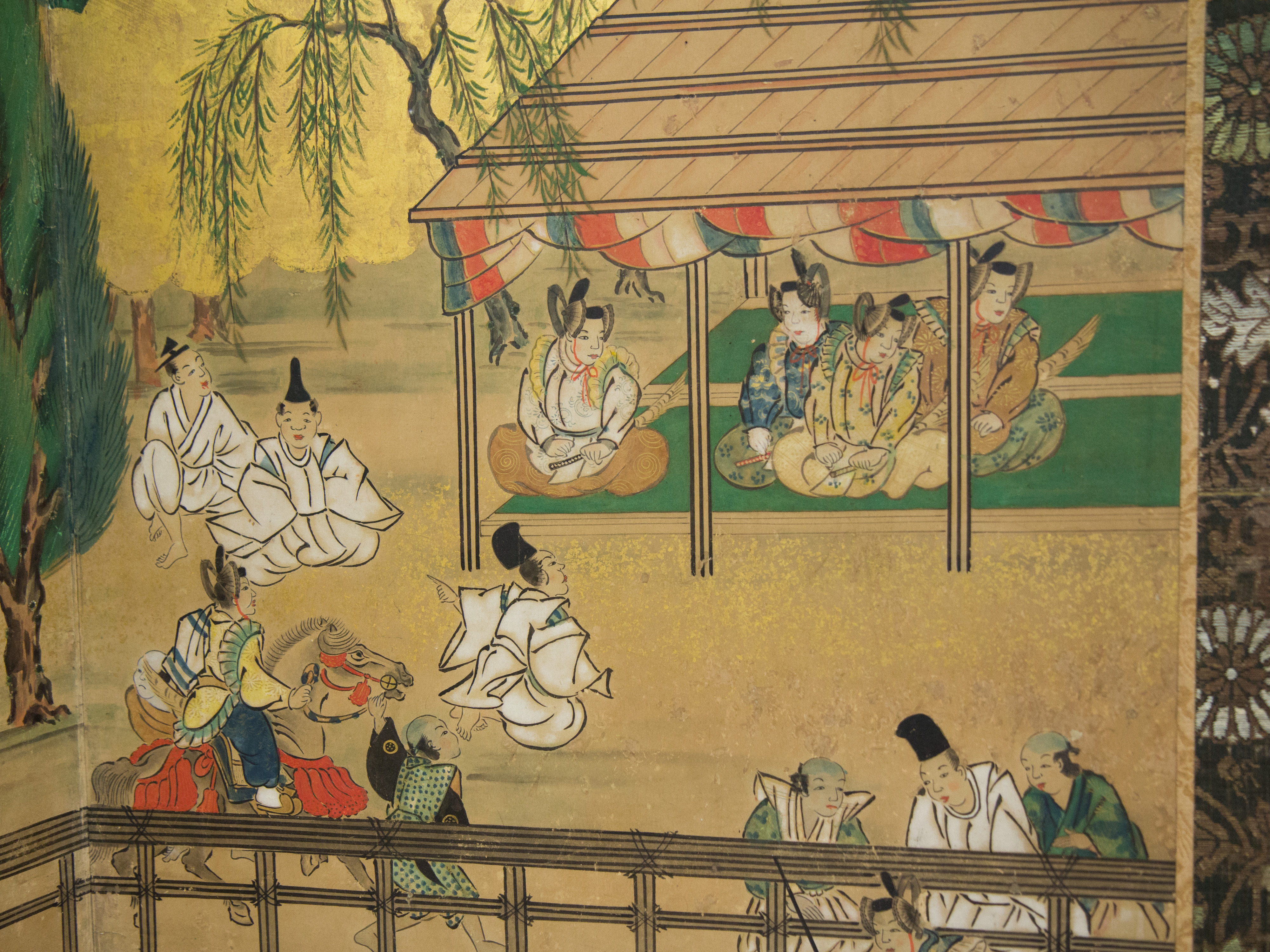
The image shows a painting on the wall of a building depicting a group of people in a garden, surrounded by a fence, trees, and a shed. The painting is believed to be from the Meiji period, dating back to the 19th century.
Explore collections