← Image collections
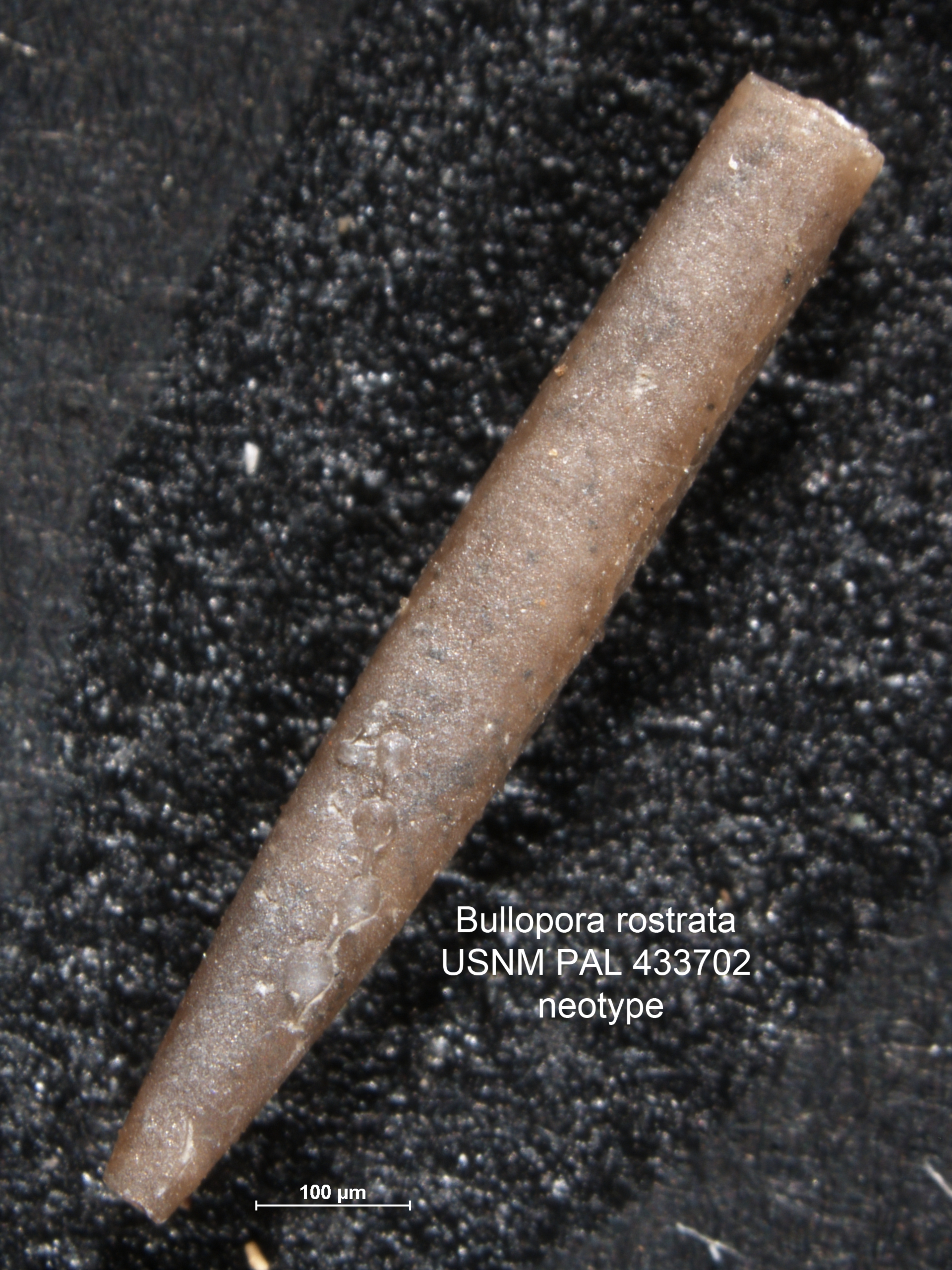
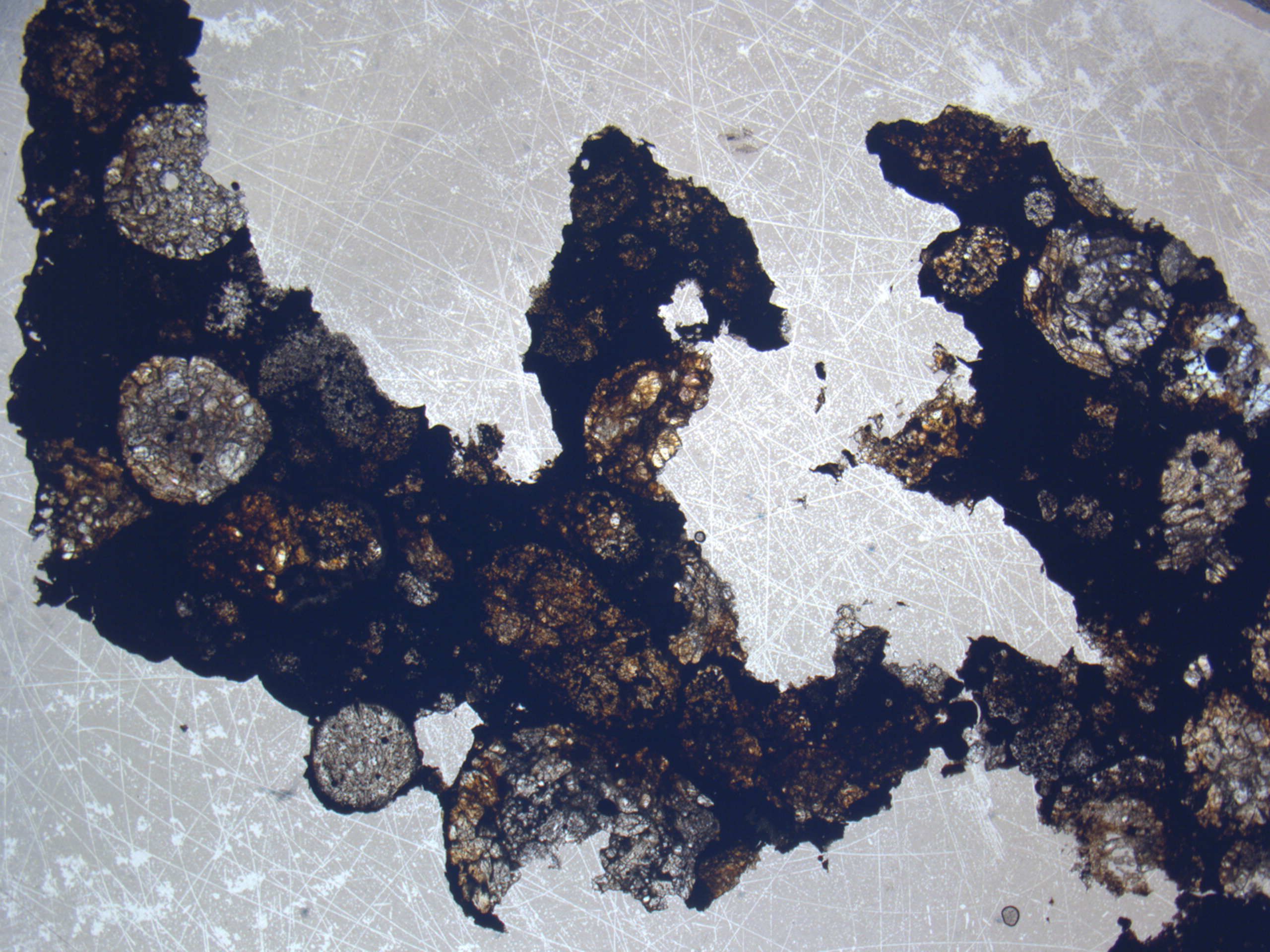
The image shows a close up of a piece of metal on a table, which appears to be a rock with a black and brown color. The rock is covered in a layer of mucor, giving it a unique texture and appearance.

More from PD12M

The image shows a close up of a small metal object on a black surface, which appears to be a neutrophil. The text on the object is visible, and the background is a solid black color.
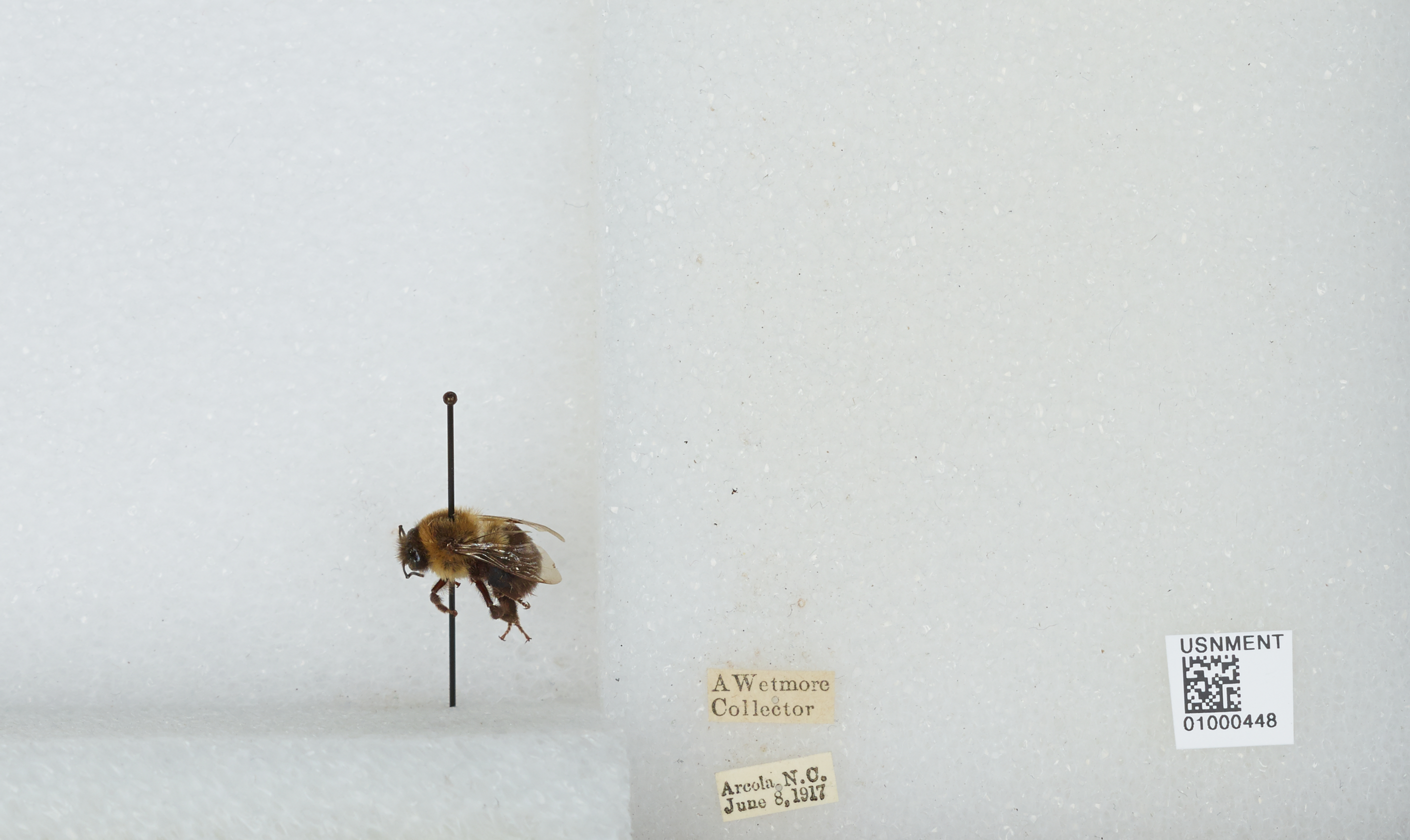
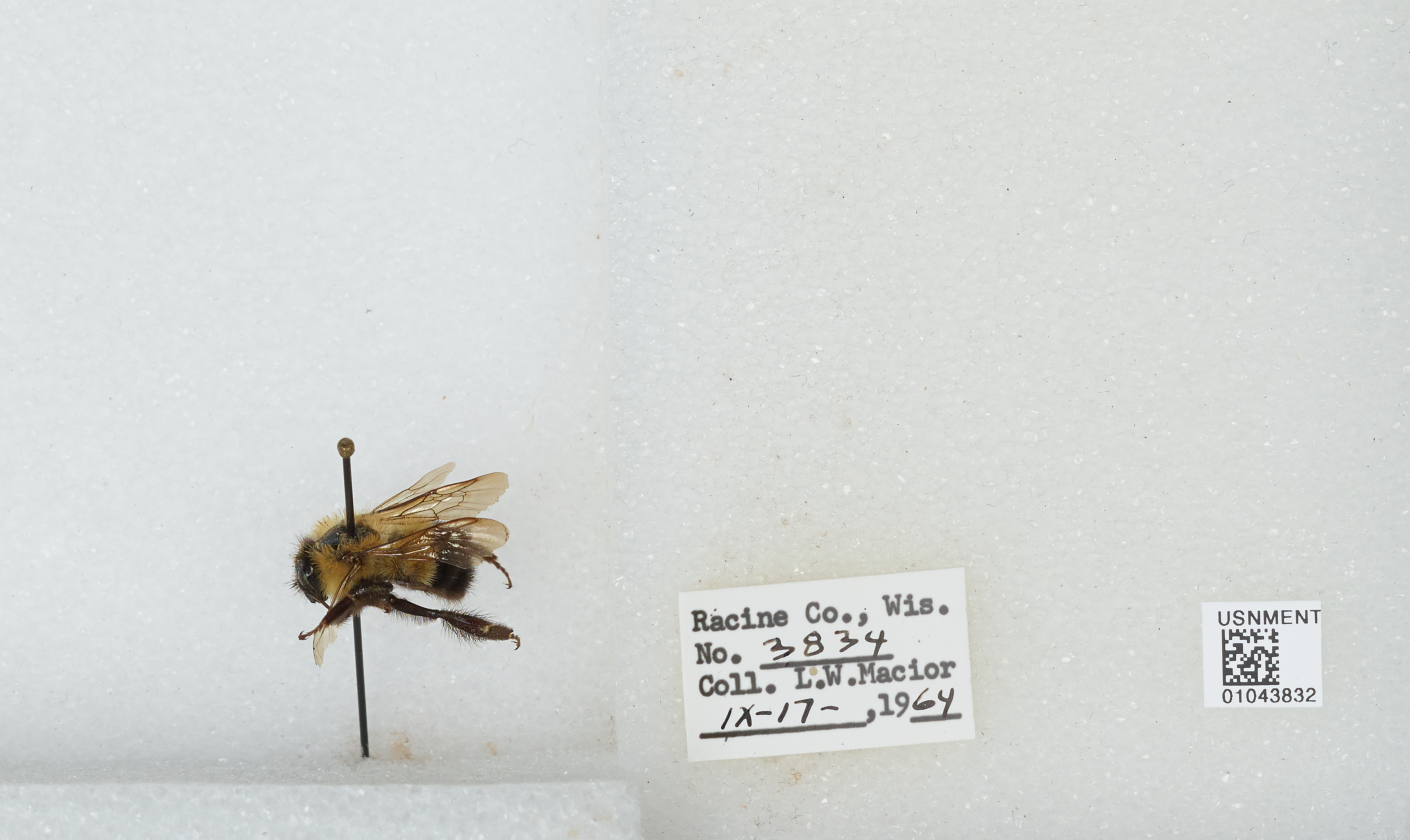
The image shows a honey bee perched atop a piece of paper with a barcode on it. The bee is brown and black in color, and the paper has text written on it, likely providing information about the bee.
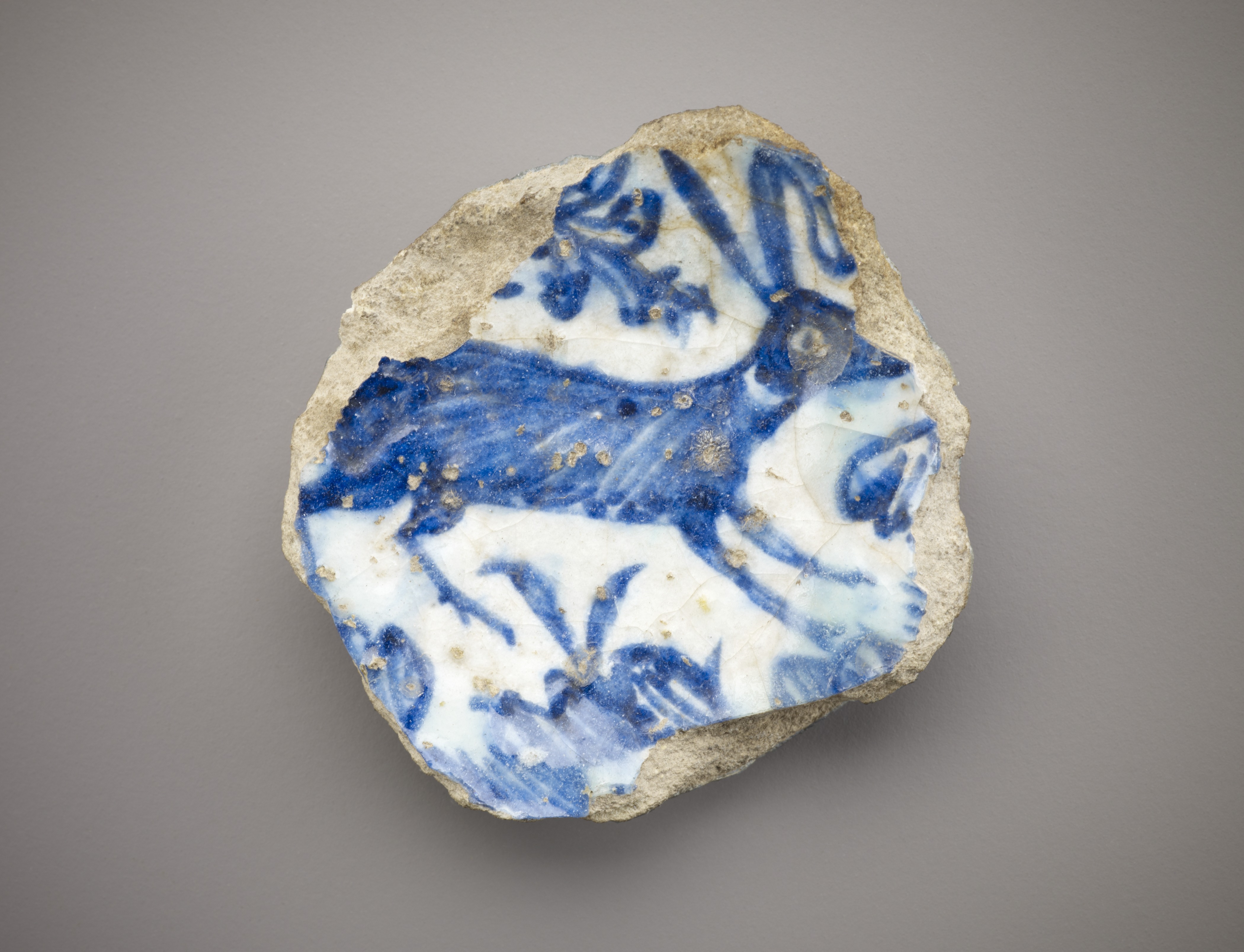
The image shows a blue and white plate with a deer on it, set against a grey background. The plate is decorated with intricate designs, giving it a unique and eye-catching look. The deer is depicted in a realistic style, with its antlers and hooves clearly visible. The blue color of the plate stands out against the grey background, making it the focal point of the image.
The image shows a bee perched atop a white surface, with a piece of paper with text and a barcode beside it.
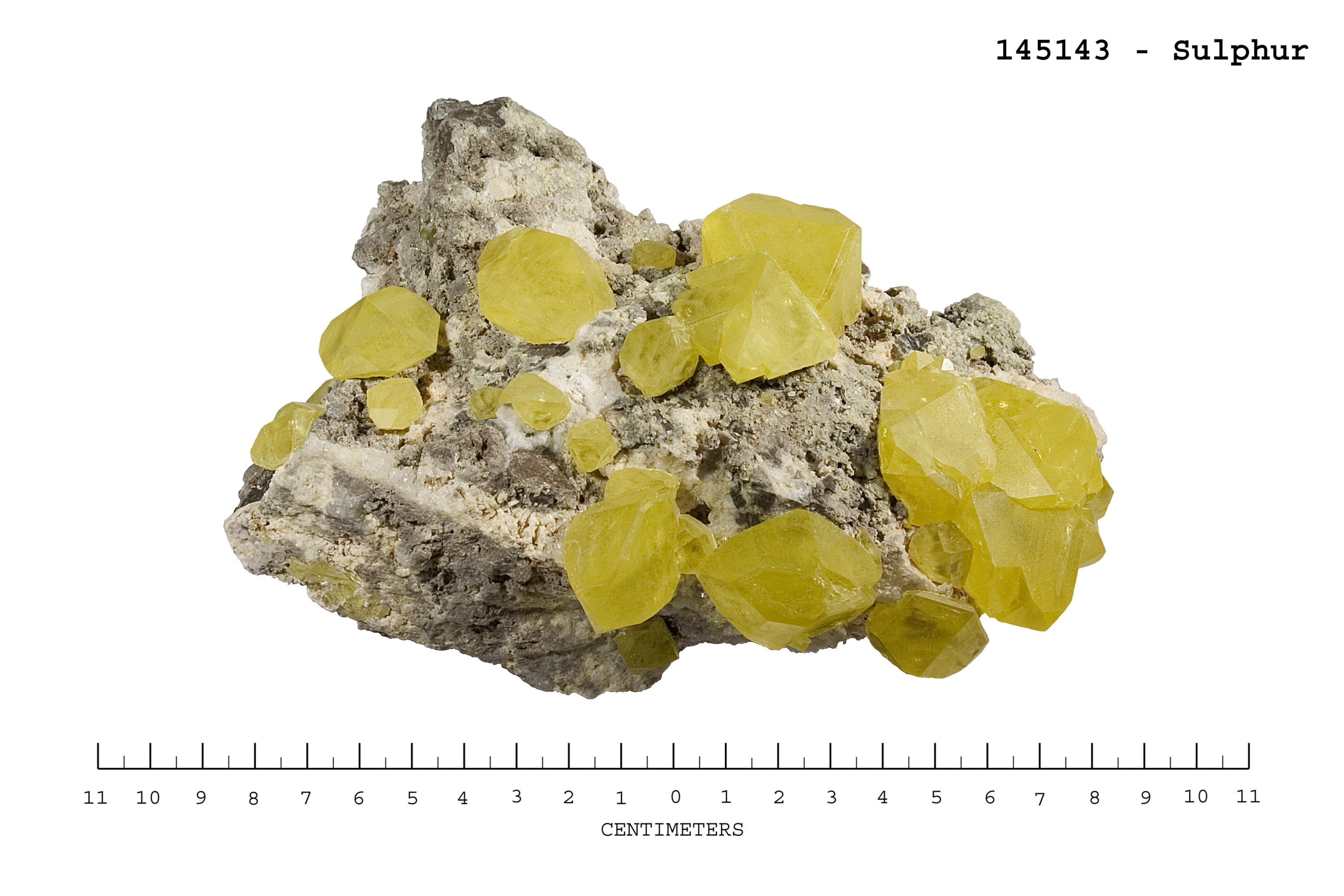
The image shows a piece of yellow calcite on a white background with a ruler next to it. The calcite is a bright yellow color and the ruler is a standard measuring scale.
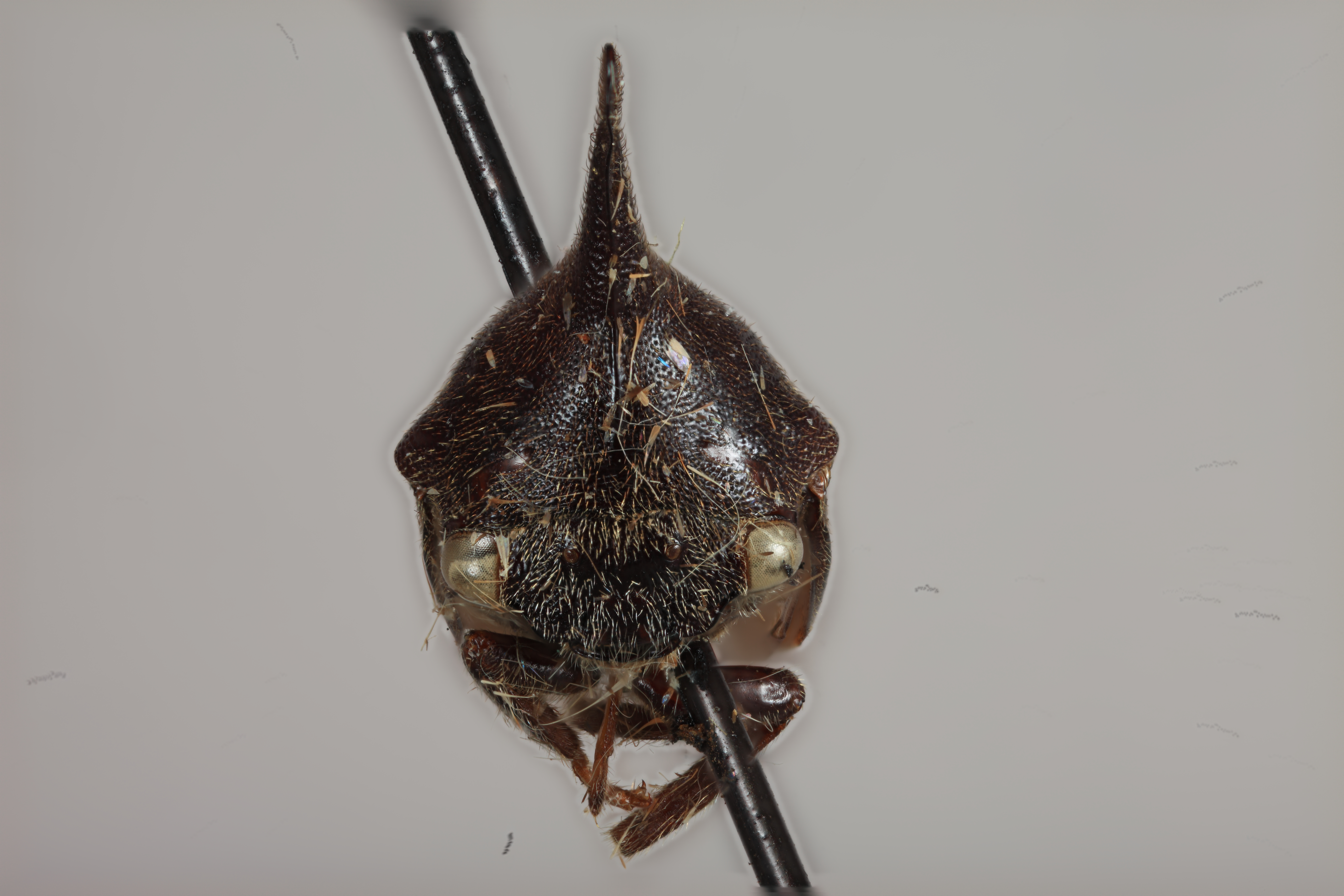
The image shows a close up of a brown and black insect on a white surface. The insect appears to be a treehopper, with its wings spread out and its antennae reaching out. Its body is a deep brown color, and its legs are a lighter shade of brown. Its eyes are black and its mouth is slightly open, revealing its sharp teeth.
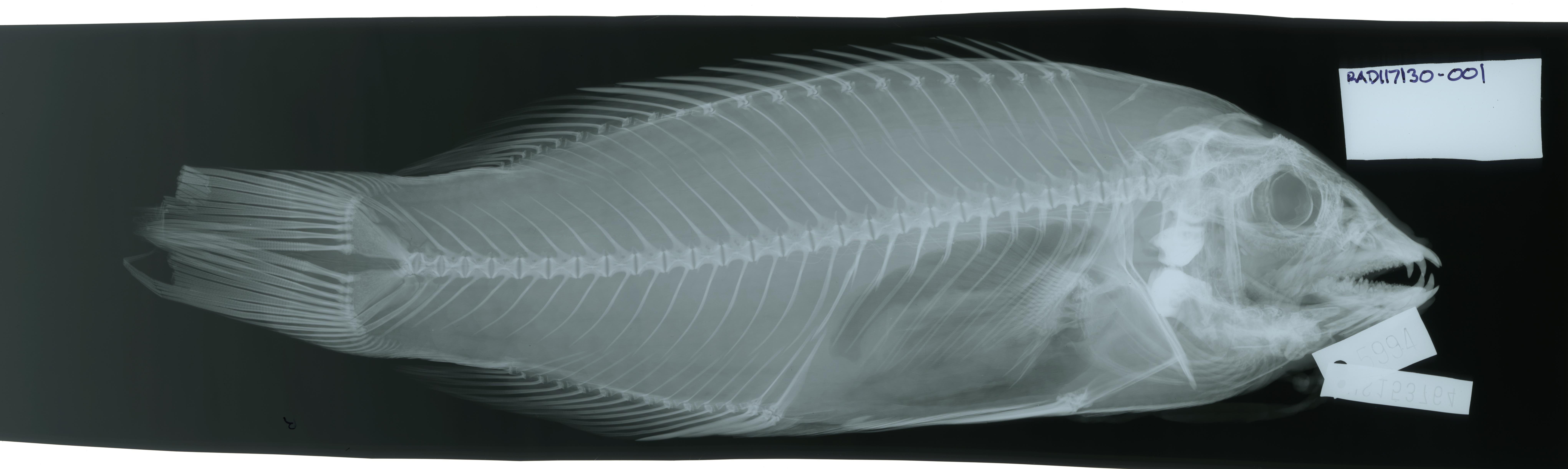
The image shows an x-ray of a fish skeleton on a black background with a white paper attached to it. The paper has text written on it, likely providing information about the fish.
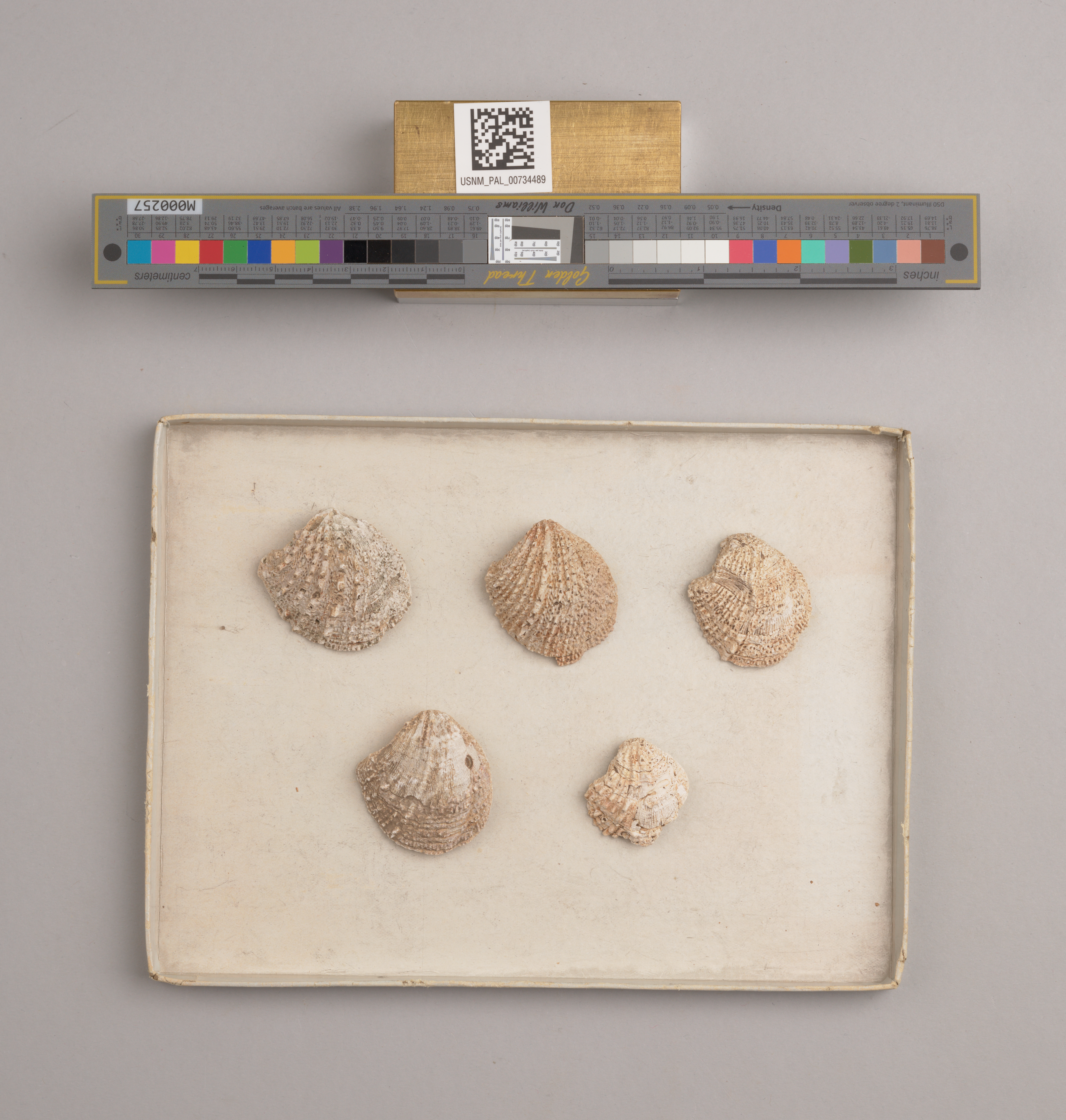
The image shows a tray with a variety of seashells on it, along with a scale and a barcode. The tray is placed on a flat surface, and the shells are arranged in an aesthetically pleasing manner. The scale is likely used to measure the size of the shells, while the barcode could be used to identify the shells.
Explore collections