← Image collections
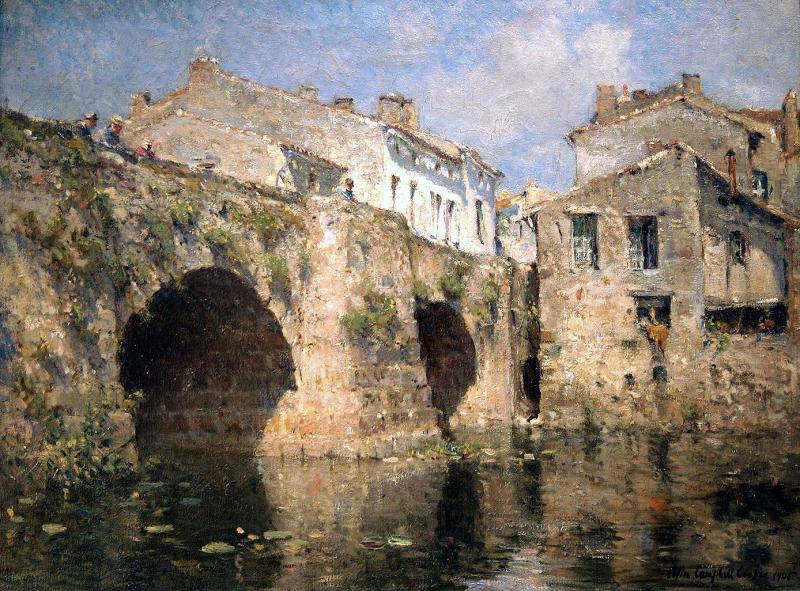
The image shows a painting of a bridge over a river with buildings in the background, surrounded by lush vegetation and a sky filled with clouds. The painting is titled "The Bridge at Argenteuil" by Claude Monet.

More from PD12M

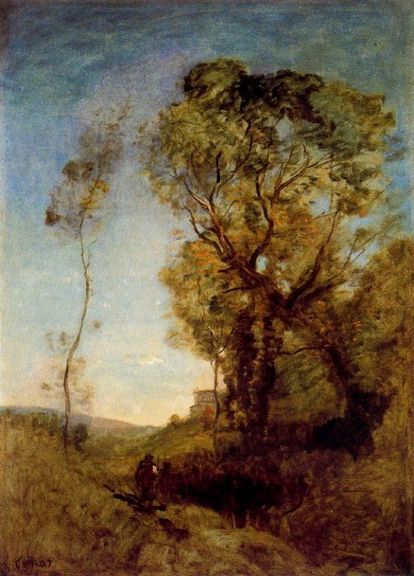
The image shows a painting of a wooded landscape with a man and a woman in the foreground, surrounded by trees, plants, and grass. The sky is visible in the background, and there is a watermark on the painting.
The image shows a large lecture hall with wooden tables and chairs arranged in neat rows, two people standing in the background, and glass windows that offer a view of the trees outside.
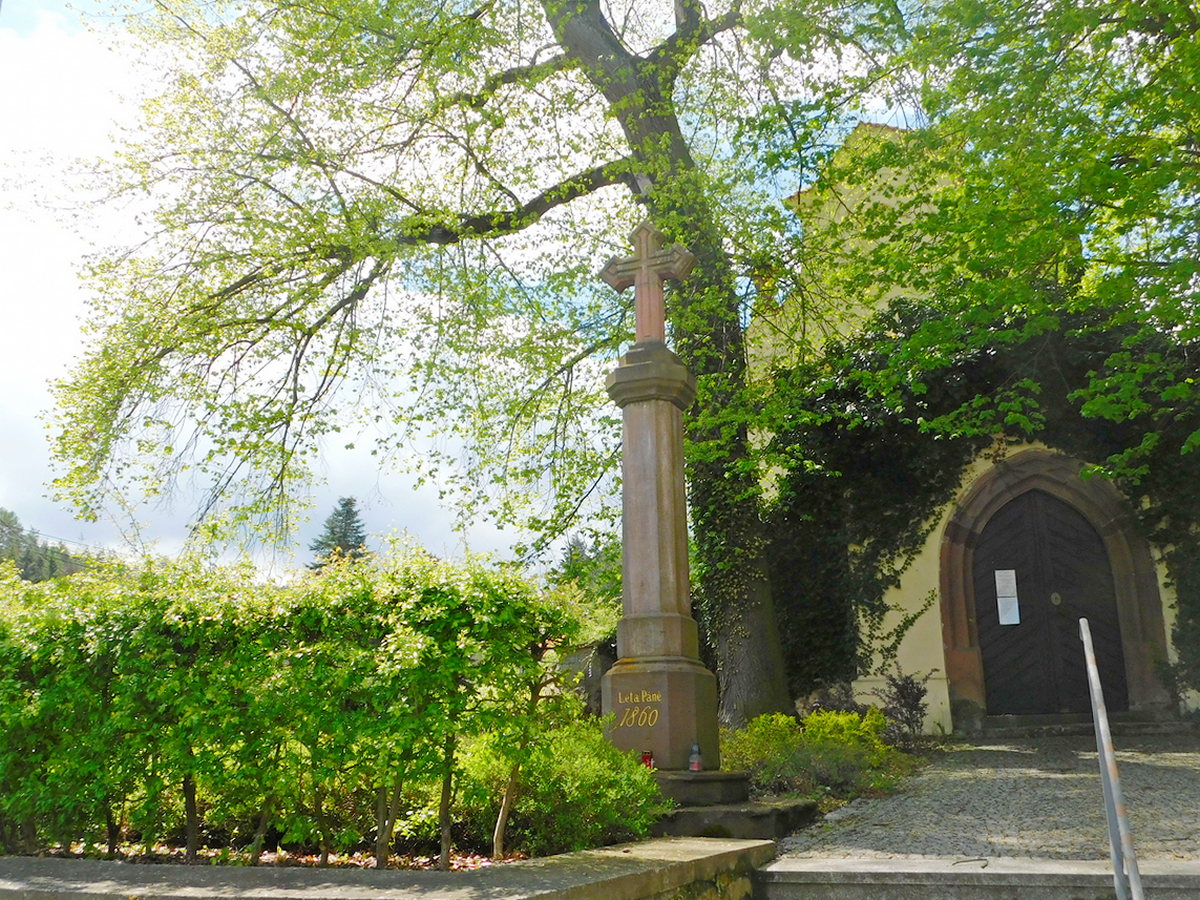
The image shows a stone cross in front of a building with a door, surrounded by plants and trees, with a pole in the foreground and a sky with clouds in the background.
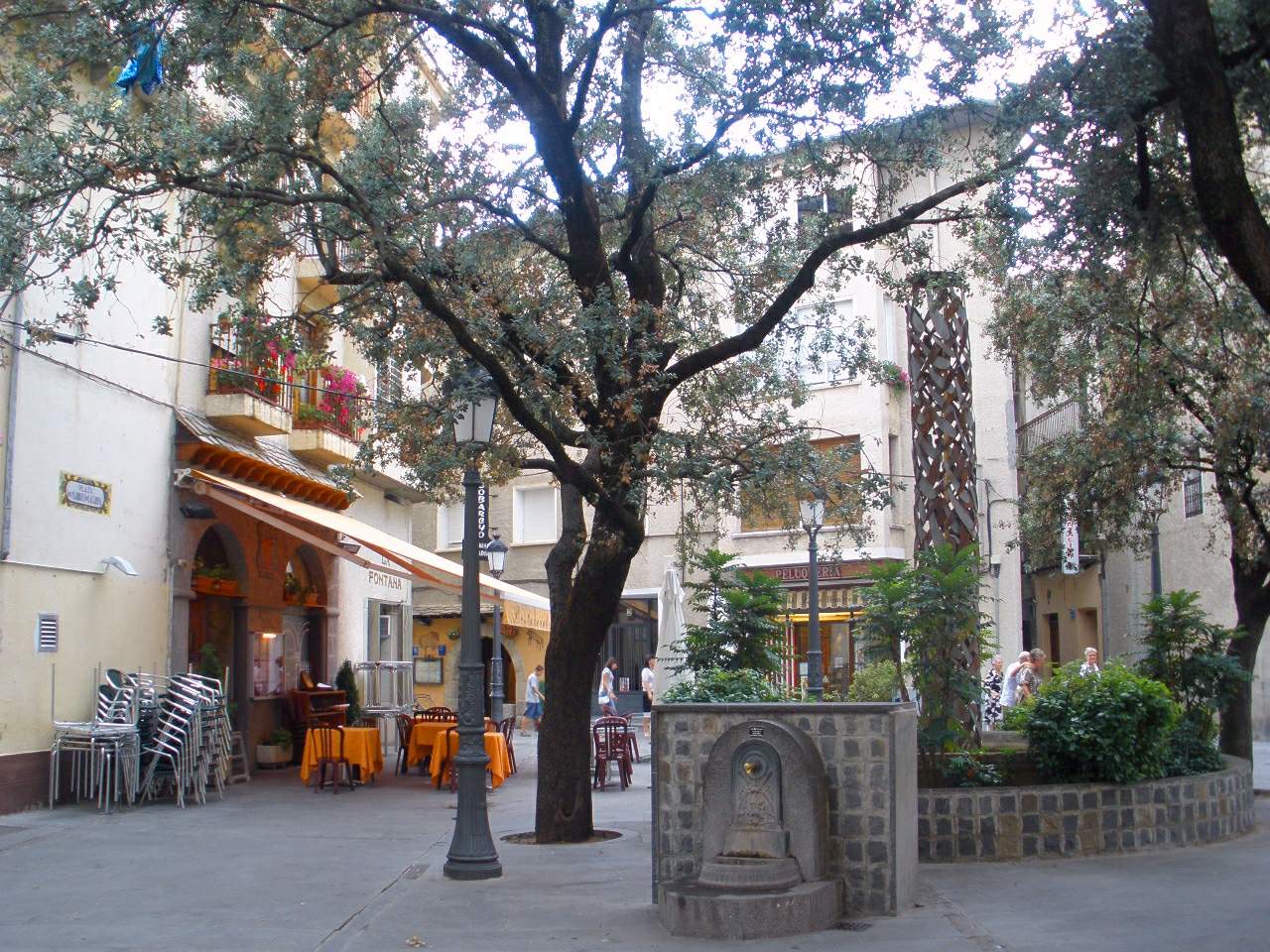
The image shows a city street with a fountain in the middle of it, surrounded by buildings, street poles, street lights, chairs, tables, plants, trees, and people walking on the road. The sky is visible in the background.
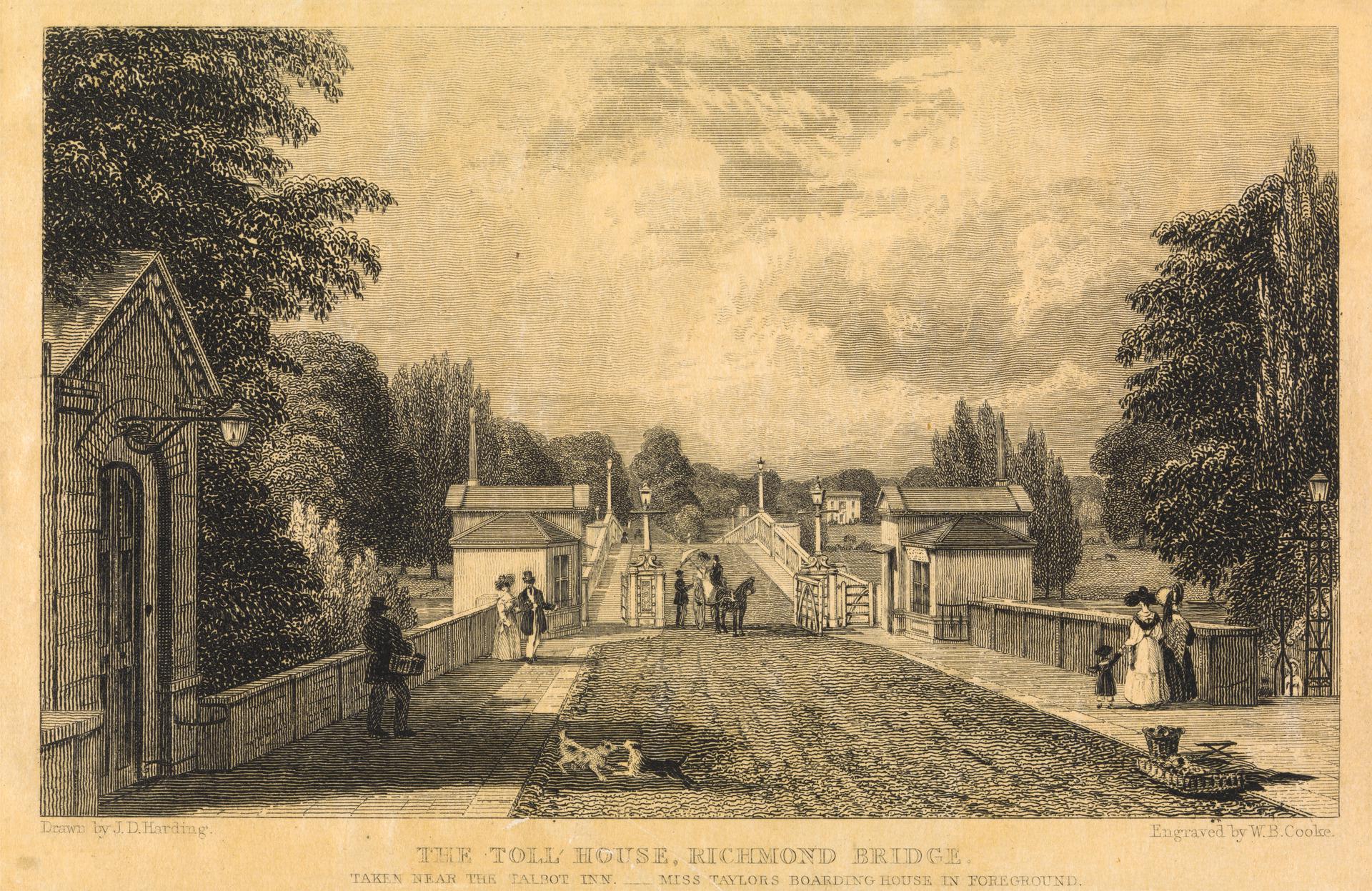
The image shows a drawing of a street with people walking down it, surrounded by houses, trees, and a sky with clouds. At the bottom of the image is text which reads "The Toll House, Richmond Bridge, taken near the Talbot Inn, Miss Taylor's Boarding House in Foreground".
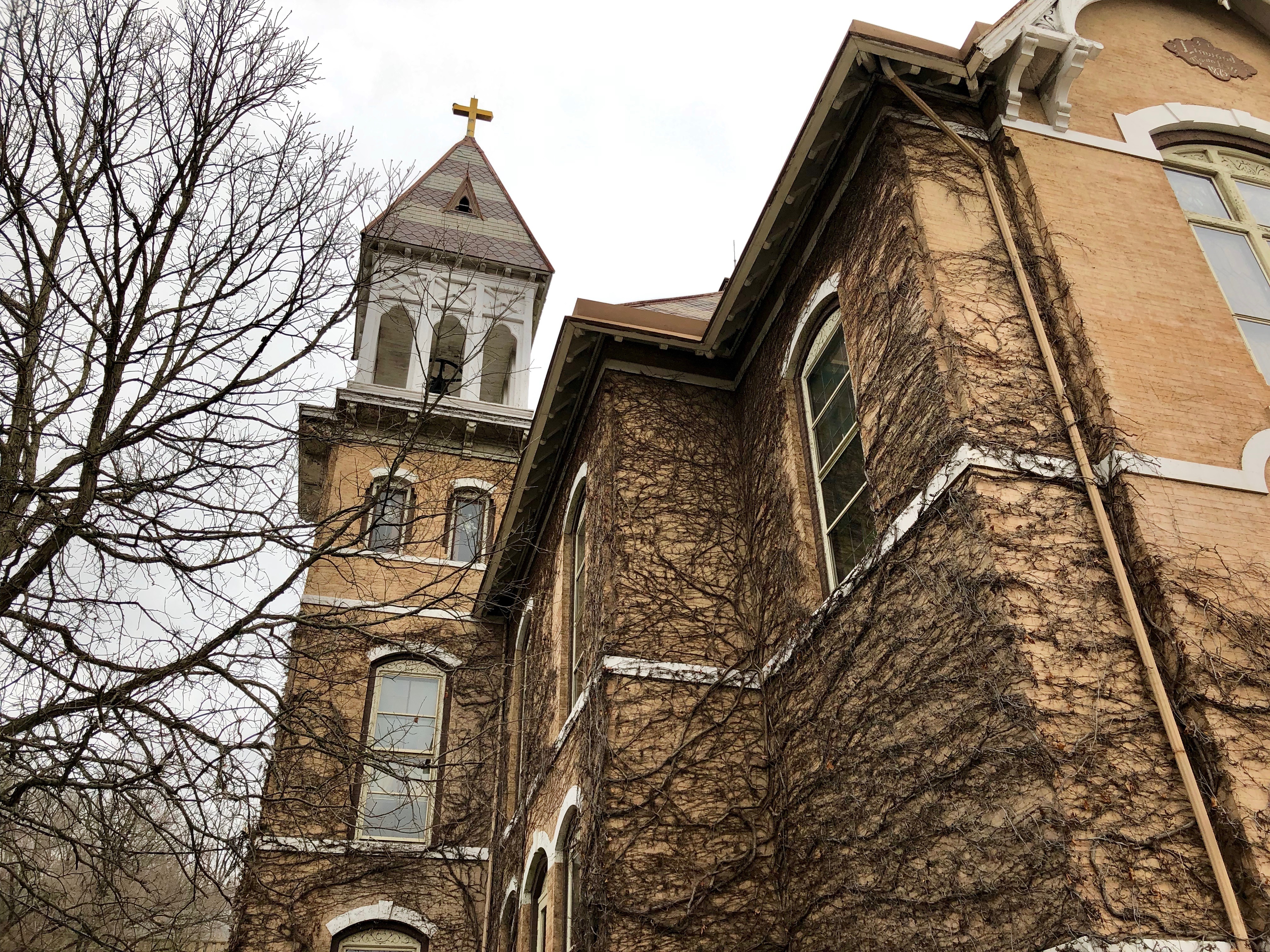
The image shows a large brick building with a steeple and a clock tower, surrounded by trees and a clear blue sky. The building has multiple windows and a cross on the top.
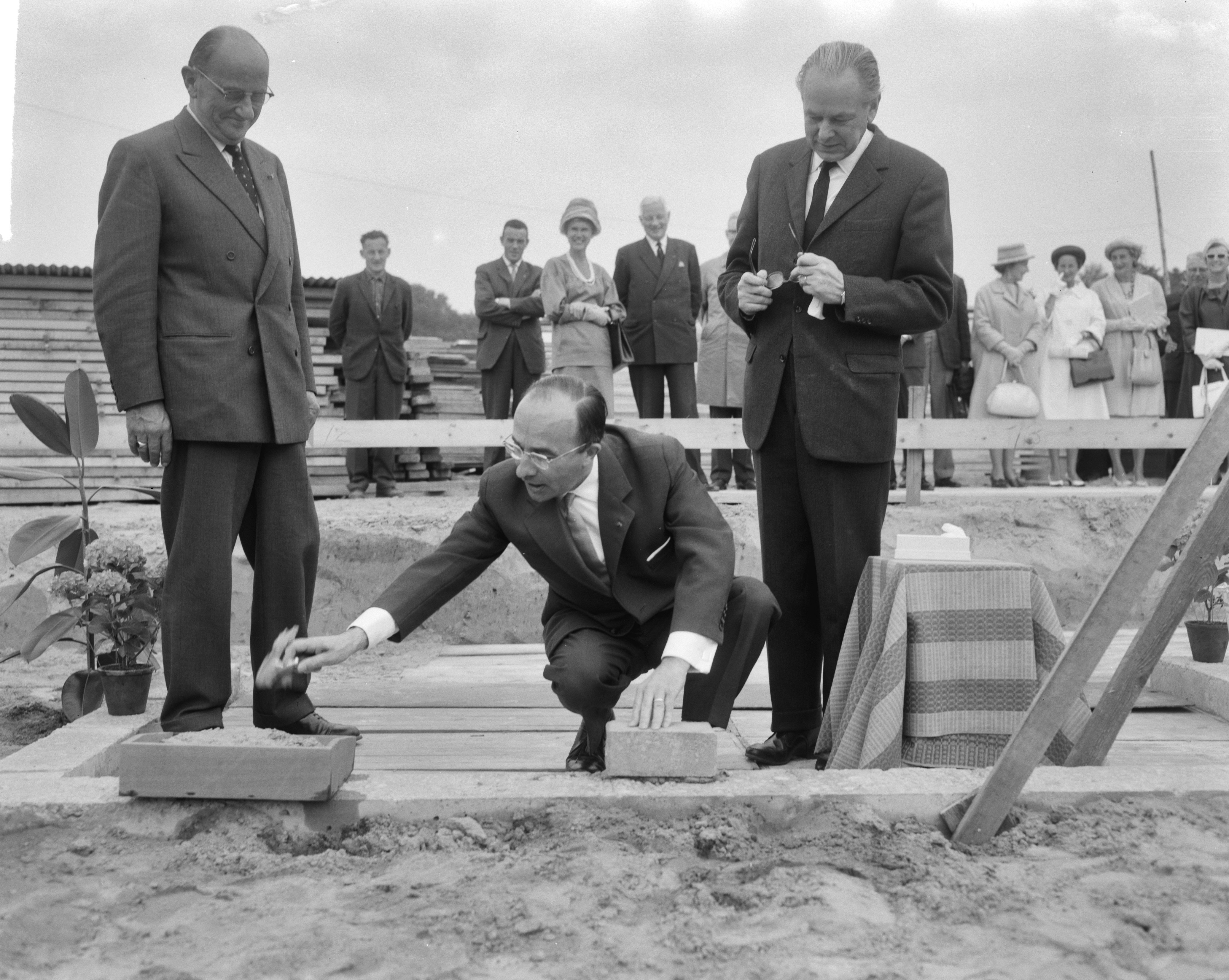
The image shows a group of men standing around a wooden structure in the sand. Two of the men are in a squat position, while the others are standing around them. On the right side of the image, there is a table covered with a cloth and various objects placed on it. In the background, there are plants in pots, a wooden fence, a house with a roof, some poles, wires, and a cloudy sky.
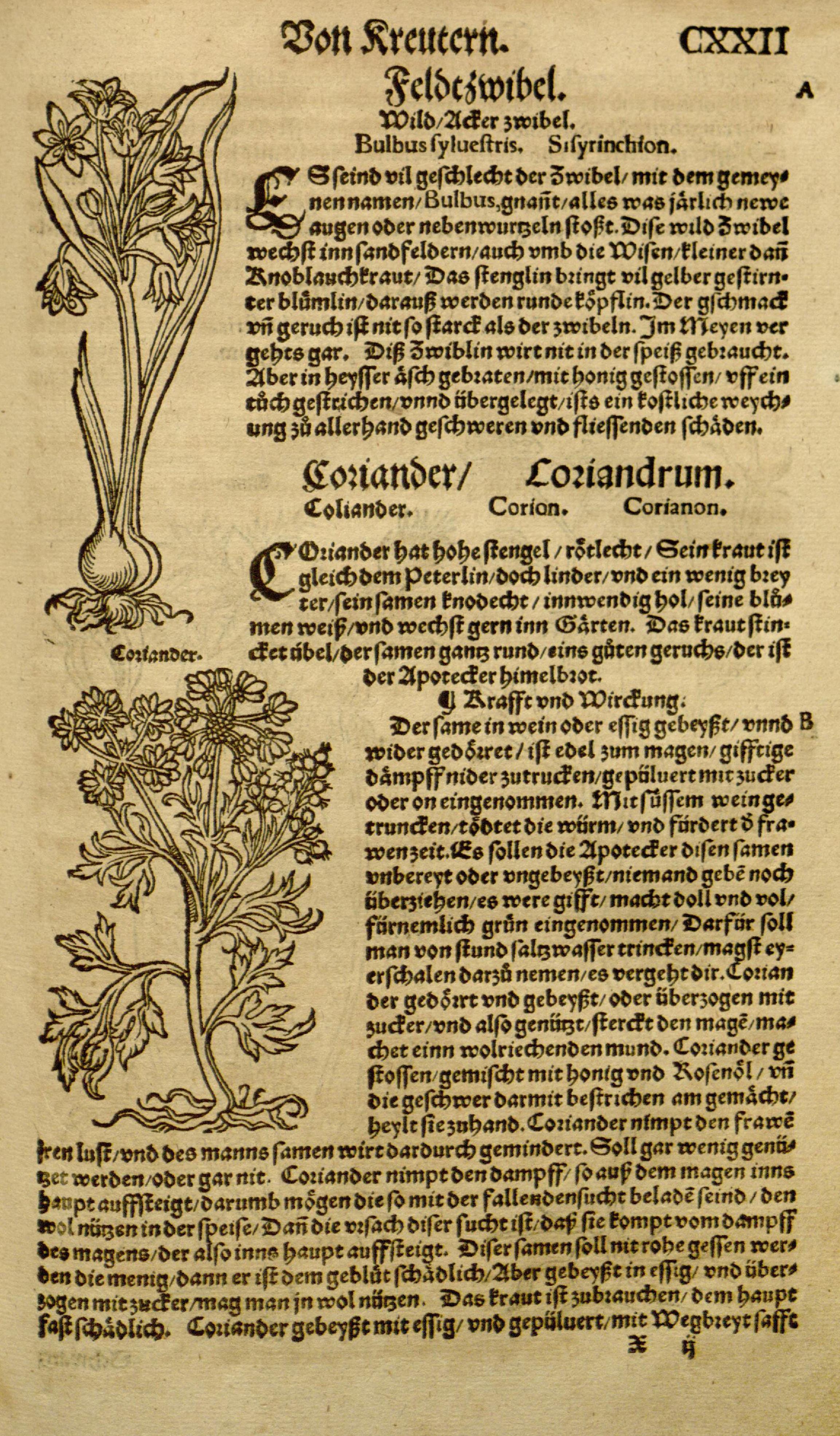
The image shows an old book with a drawing of a plant on it, along with some text. The plant is depicted in detail, with its leaves and stems clearly visible. The text on the book is likely a description of the plant, providing further information about its life cycle.
Explore collections